From Excel Chaos to a Unified ERP Ecosystem


Wetelo architected and developed a custom ERP platform that connected logistics, inventory, finance, procurement, and operational workflows into one centralized ecosystem.
A global premium baby stroller brand with one of the world's most intricate supply chains
Our client, a global premium baby stroller brand, operates in a highly complex supply chain environment involving multiple factories, warehouse operations, supplier procurement, shipment coordination, inventory forecasting, and invoice and payment management.
The bottlenecks that surfaced as the business scaled
Click to expand. Each one represents real money — and real lost decisions — every week.
Operational fragmentation
No real-time data visibility
Financial approvals were manual
No change history
Pre-development discovery
Our goal was not simply to digitize workflows — but to redesign operational processes for scale.
Process mapping
- —Procurement workflows
- —Shipment creation flows
- —Stock updates
- —Invoice lifecycle
- —Approval chains
- —Payment dependencies
Stakeholder workshops
- —Operations managers
- —Finance teams
- —Procurement specialists
- —Management
MVP prioritization
- —Highest operational friction first
- —Value-vs-effort scoring
- —Automation roadmap
20+ sprints. Modules went live as soon as they shipped
Iterative delivery let business teams start using modules early while the platform kept evolving.
Core infrastructure
Operational workflows
Logistics intelligence
Financial automation
Key Features Delivered in MVP
This MVP focused on eliminating repetitive operational work and improving visibility
Centralized ERP Platform
All operations, inventory, finance, and approvals in one unified system with role-based access.
End-to-End Process Automation
Automated workflows for procurement, shipments, approvals, inventory and financial operations.
Real-Time Visibility and Analytics
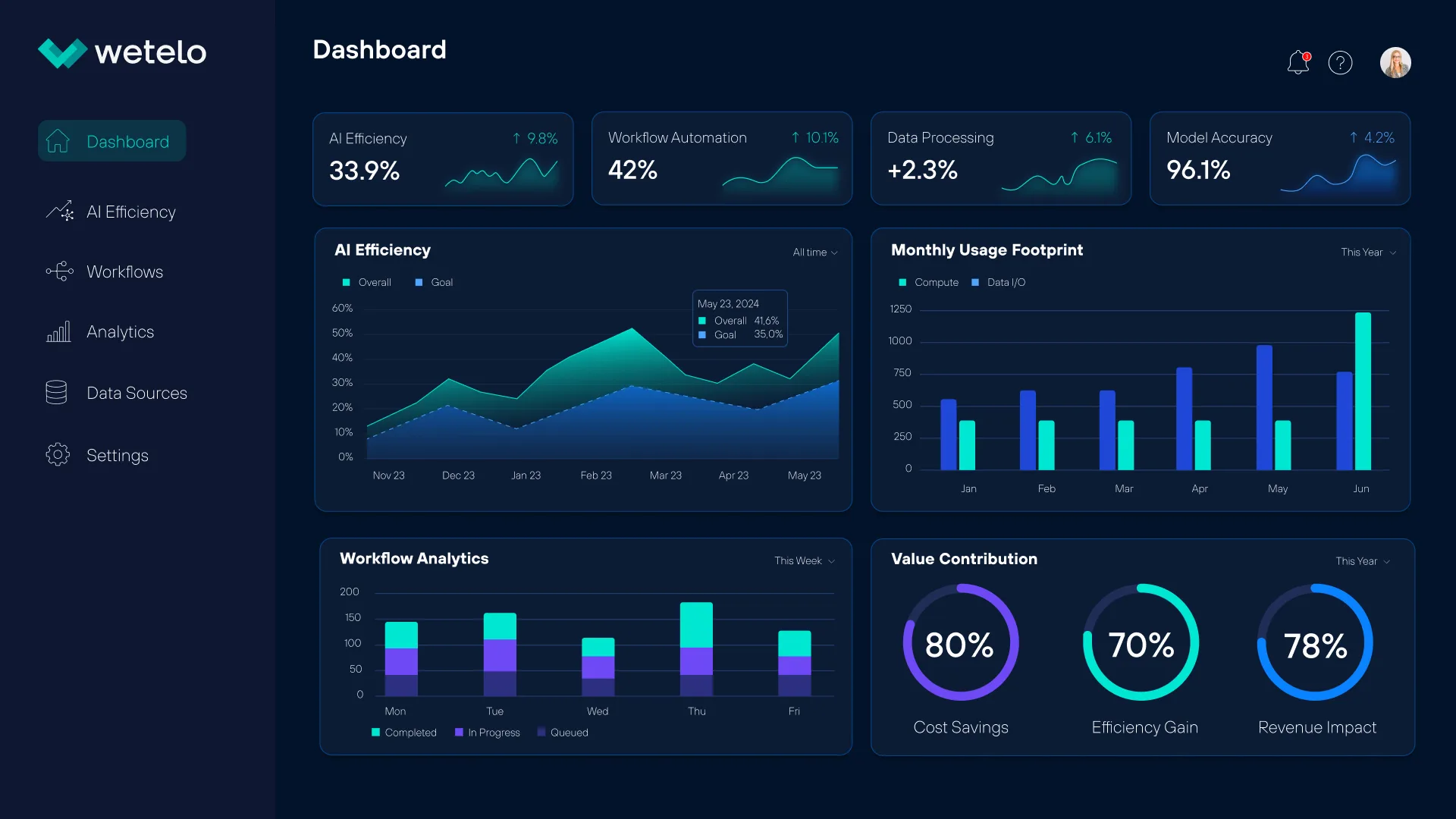
Live dashboards and reports provide up-to-date insights for faster and smarter decisions.
Inventory & Stock Intelligence
Real-time stock updates, remains calculation, and forecasting for accurate inventory planning.
Financial Management & Cash Flow
Cash flow forecasting, payment requests, contracts and invoice management in one place.
Security & Compliance
Role-based access, approval workflows, and audit logs ensure data security and full accountability.
Business Outcome
The custom ERP platform delivered measurable impact across operations, finance, and decision-making
Reduction in manual operations
Faster shipment planning
Faster approval processes
Fewer manual stock reconciliation tasks
Faster access to operational data
Real-time financial visibility
Better Collaboration
Unified platform that connects operations, finance, and procurement teams.
Full Transparency
Complete visibility into every process, action, and change across the organization.
Stronger Control
Role-based access, approvals, and audit logs ensure accountability and compliance.
Scalable Growth
A flexible ERP foundation ready to support new processes, locations, and business growth.
Smarter Decisions
Accurate, real-time data empowers teams to make faster, data-driven decisions.
The result: a centralized ERP ecosystem that eliminated data silos, automated manual work, and enabled the client to operate faster, smarter, and with greater confidence.
Wetelo helped us build a scalable ERP ecosystem that standardized workflows, made them smoother and easier, and gave management real-time operational control.
Looking for a technology partner to build your ERP or business automation platform?
FAQ
What is ERP Development?
ERP (Enterprise Resource Planning) development is the process of building a centralized software platform that helps businesses manage and automate core operations in one place. A custom ERP connects departments such as operations, inventory, finance, procurement, sales, and logistics, giving teams real-time visibility and reducing manual work. Unlike off-the-shelf solutions, custom ERP development is tailored to your specific workflows, business rules, and growth goals.
What does an ERP system include?
An ERP system typically includes the tools and workflows needed to manage day-to-day business operations across departments.
Depending on your business needs, an ERP may include:- Inventory and warehouse management
- Procurement and supplier workflows
- Sales planning and order processing
- Shipment and logistics management
- Financial operations and cash flow tracking
- Document management and approvals
- Reporting and analytics dashboards
- User roles, permissions, and audit logs
Can you integrate ERP systems with our existing tools and databases?
Yes. Wetelo regularly builds ERP systems that integrate with existing business infrastructure.
This can include:- Legacy databases
- Excel-based workflows
- Accounting systems
- CRM platforms
- Warehouse systems
- Supplier portals
- Payment gateways
- Cloud storage systems
- Third-party APIs
How do you ensure data security and compliance in ERP projects?
Security is built into the ERP architecture from the start.
We typically implement:- Role-Based Access Control (RBAC)
- Multi-level permissions
- Audit logs and change history
- Secure API authentication
- Data encryption in transit and at rest
- Automated backups
- Infrastructure monitoring
- Environment isolation for staging and production
How much does custom ERP development cost?
The cost of custom ERP development depends on your business processes, system complexity, and long-term operational goals. Since every ERP platform is built around specific workflows, integrations, user roles, and business logic, there’s no one-size-fits-all estimate.
Key factors that influence ERP development cost include:- Number of modules and features required
- Complexity of workflows and approval logic
- Integrations with existing software, databases, or third-party APIs
- Data migration requirements
- Security, compliance, and infrastructure needs
- Team composition and development timeline
Most ERP projects start with a discovery phase, where we analyze your operations, define priorities, and create a clear product roadmap. This allows Wetelo to provide a realistic estimate based on your business needs, expected scope, and implementation timeline.